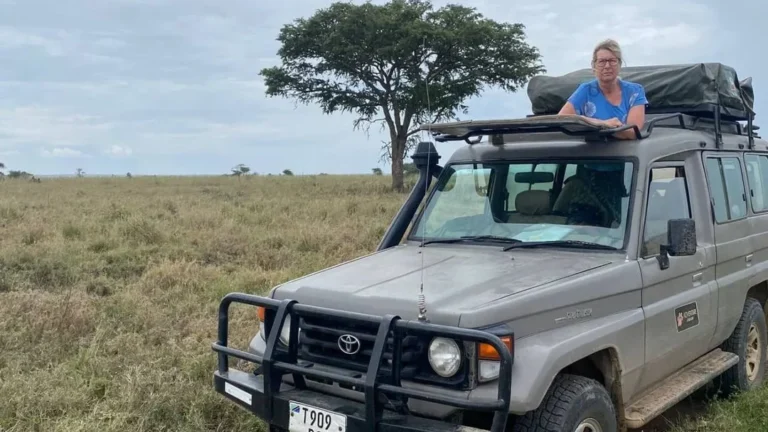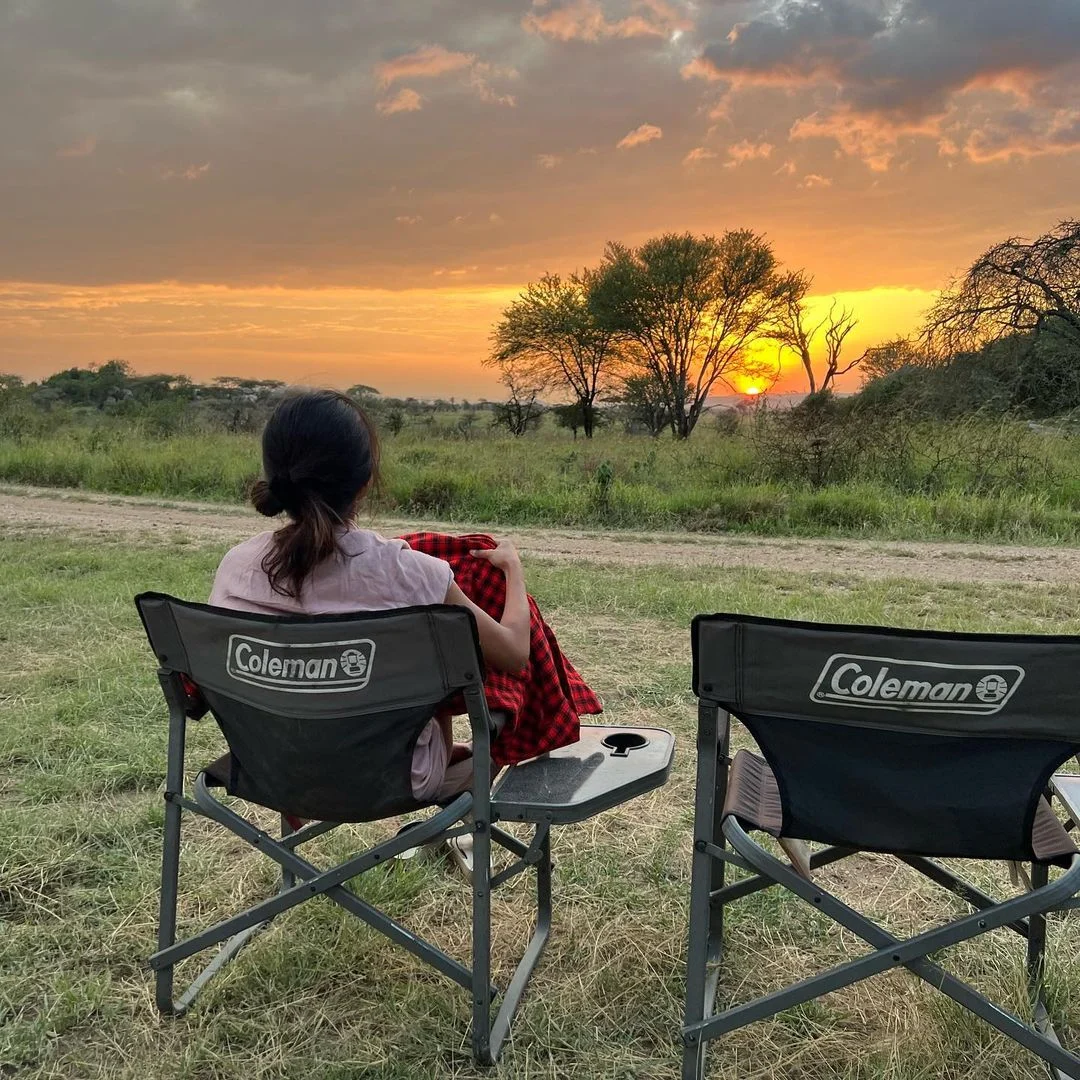

Quick answer: The hardest self-drive window is usually long rains (March–May) when black-cotton sections get slick. The easiest period for first-timers is dry season (June–October) — firmer roads, excellent wildlife, and higher rental demand so book early.
There is no single best time self drive Tanzania month for everyone. Travellers ask about worst time self drive Tanzania because roads, wildlife, crowds, and rental availability change sharply between seasons. This month-by-month guide helps you match your dates to your driving confidence and route.
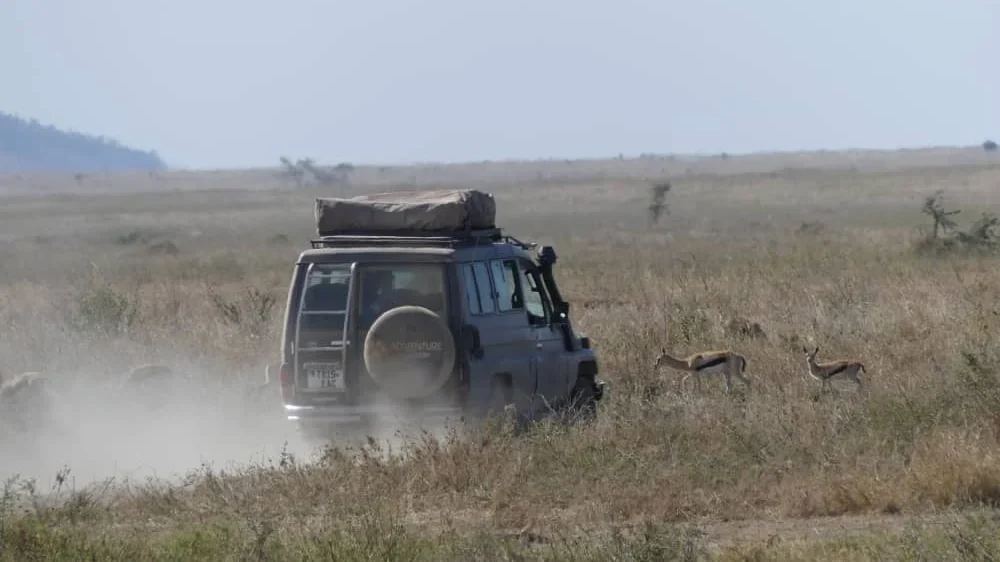
Dry season (June–October) — easiest for first-timers
Firm gravel roads, animals concentrated near water, and predictable weather make this the top choice for self drive Tanzania beginners. Trade-offs:
- Pros: Best visibility, less mud, straightforward Ngorongoro transit
- Cons: Peak demand — book Land Cruisers months ahead for July–August
- Wildlife: Great general game viewing; river crossings in northern Serengeti (timing varies yearly)
Short rains (November–December)
Brief afternoon storms green the landscape. Roads stay mostly passable on main routes. Fewer vehicles than peak dry season — good value if you build flex days into your itinerary. Black-cotton patches near Arusha and some park approaches need caution after heavy rain.
Long rains (March–May) — toughest for daily mileage
Often the worst time to self drive Tanzania for long distances on remote tracks. Main highways remain open, but:
- Serengeti loops and southern plains can be slow or impassable without experience
- Lake Natron, Empakaai, and off-grid camps need strong 4×4 skills
- Lodges and camps offer lower rates — attractive if you accept shorter daily drives
Experienced overlanders still travel; first-timers should consider guided park days or dry-season dates.
Month-by-month snapshot
- January–February: Calving season in southern Serengeti — spectacular but some mud; book early for Ndutu zone
- March–May: Long rains; adventurous routes only with buffer days
- June: Dry season starts; excellent conditions, rising prices
- July–August: Peak season; book vehicles and camps well ahead
- September–October: Still dry; slightly quieter than mid-year
- November: Short rains begin; good shoulder-season value
- December: Holidays busy; mix of sun and showers
How season affects your 4×4 choice
Wet months favour:
- Higher clearance Land Cruiser with good tyres
- Two spare tyres if your route includes remote tracks
- Shorter daily distances and overnight buffers
- Fridge and camping gear if lodges are fully booked in peak season
Dry months favour early booking and longer loops — Northern Circuit, Tarangire, Lake Manyara, and Ngorongoro in one trip.
Regional differences
Northern Circuit (Arusha, Serengeti, Ngorongoro) is the most self-drive friendly year-round on main routes. Southern parks (Ruaha, Nyerere) have fewer self-drive rentals and longer transfers. Coastal / Dar routes are tarmac — season matters less for highway driving than for combining with a safari leg from Arusha or Moshi.
Practical booking advice by season
- Peak dry (Jul–Aug): enquire 3–6 months ahead for pop-up Land Cruisers
- Shoulder (Jun, Sep–Nov): 4–8 weeks often sufficient
- Wet (Mar–May): confirm route with us; build extra days; check park road status
- Always share your exact month and parks when you enquire — we advise on realistic daily distances
See also our permits and roads guide and full 4×4 rental Tanzania hub.
Migration season and self-drive planning
The Great Migration moves through Serengeti on a rough calendar — not fixed dates. Self-drivers chasing river crossings or calving should match month to zone:
- December–March: southern Serengeti / Ndutu — calving, green plains, some muddy tracks
- April–May: herds moving north; long rains; flexible routing essential
- June–July: western corridor and central Serengeti; dry roads improve
- July–October: northern Serengeti (Mara River area) — peak crossing interest, busiest gates
Pair this guide with our Serengeti self-drive guide when choosing camps and entry gates.
What to pack differently by season
Dry season: dust masks, lip balm, extra water, sun protection, layers for cool Ngorongoro mornings.
Wet season: waterproof bags for documents, quick-dry clothing, insect repellent, power bank (charging can be slower at remote camps), and patience for slower daily mileage.
First-timer vs experienced overlander — pick your window
| Traveller type | Best months | Why |
|---|---|---|
| First self-drive safari | June–October | Firm roads, predictable weather, strong support season |
| Budget-conscious | March–May or November | Lower lodge and rental rates; build buffer days |
| Migration focus | Jan–Feb or Jul–Sep | Calving or river crossings — book camps early |
| Photography / green season | November–December | Lush landscapes, fewer vehicles, some rain risk |
Booking lead times by season
July and August Land Cruisers with pop-up roofs often book out 3–6 months ahead. Shoulder months (June, September, October) typically need 4–8 weeks. Wet-season travel can sometimes be arranged with shorter notice — share your exact route on our 4×4 rental Tanzania enquiry form so we confirm vehicle availability and realistic daily distances for your month.
Ngorongoro and Tarangire — seasonal notes for self-drivers
Ngorongoro Crater is accessible year-round, but rim roads can be misty in the mornings (June–August) and muddy on approach tracks during long rains. Allow extra time for crater descent queues in peak season — 07:00 entry is popular for a reason.
Tarangire shines in dry season when elephants concentrate along the river; wet season brings lush baobab scenery and fewer visitors but softer tracks on secondary loops. Many Northern Circuit itineraries combine Tarangire, Ngorongoro, and Serengeti — match your month to how much daily driving you accept. See our Northern Circuit self-drive guide for sample day counts by season.
When to ask us for route advice
If your travel dates fall in March–May or you plan remote tracks (Natron, Loliondo, western Serengeti camps), send your draft itinerary before you pay deposits on lodges. We will flag sections that are unrealistic for your vehicle class and experience level — saving you from a wet-season loop that looks fine on a map but takes twice as long on the ground.
Frequently asked questions
What is the best time to self-drive Tanzania?
For first-timers, June–October is the easiest: firmer roads and clearer skies. Book the 4×4 early — this is also peak demand.
Is March to May too wet to self-drive?
Not always, but it is the hardest window. Black-cotton soil gets slick and some loops close. We brief you on which parks to skip that week.
Can beginners self-drive in November?
Often yes. Short rains are usually showers, not a washout, and parks are quieter. Carry a real 4×4 and keep daily mileage conservative.
Does the season change which 4×4 I should rent?
In long rains, a proper safari Land Cruiser matters more. Rooftop tents still work; muddy campsite access is the extra planning item.